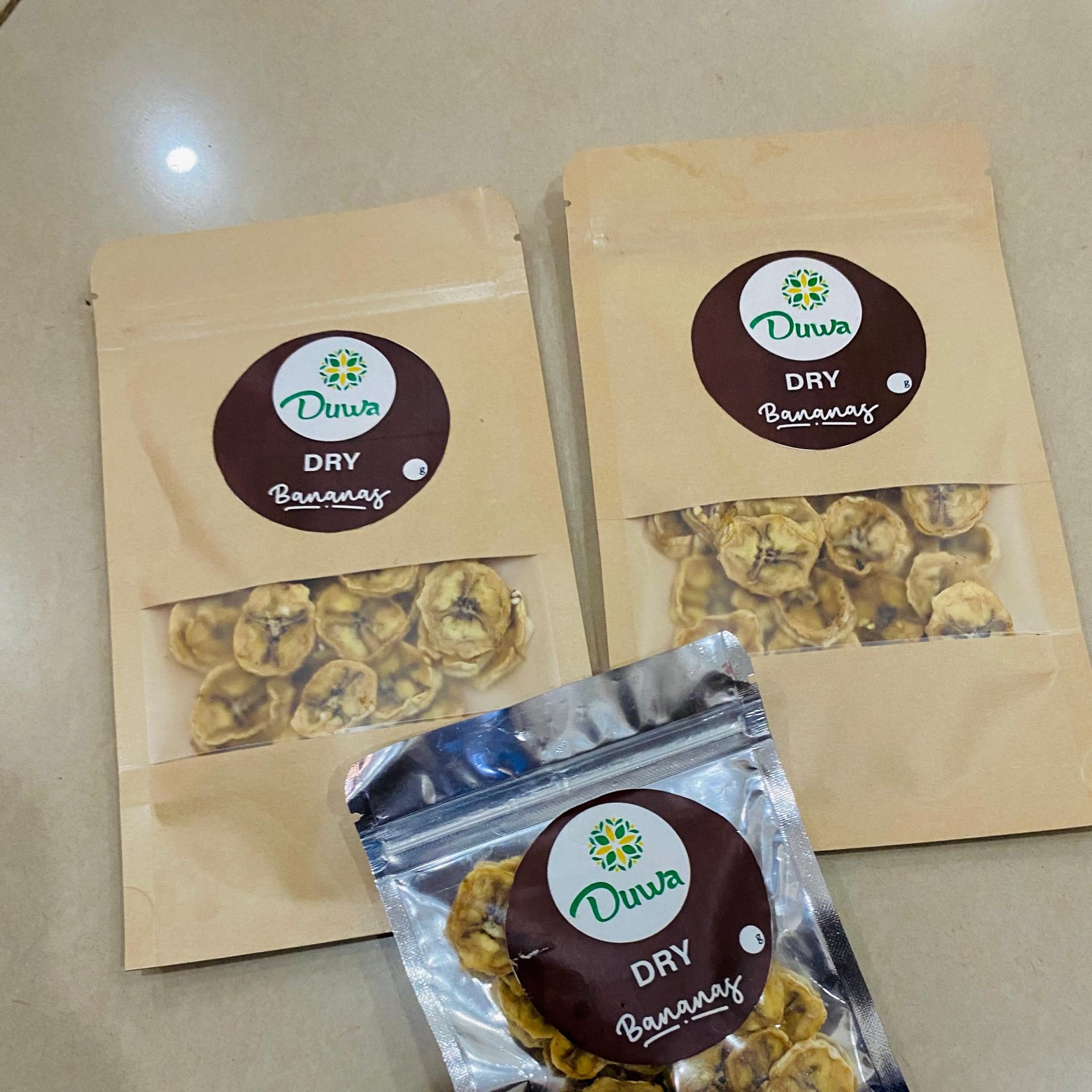
Post-harvest losses remain one of the most critical challenges to food security in Malawi and across Sub-Saharan Africa. Studies estimate that between 20% and 40% of harvested crops are lost before reaching consumers due to inadequate handling, storage, processing, and market access.
These losses translate into reduced farmer income, higher food prices, increased imports, and unnecessary pressure on land and water resources.
At Duwa Enterprise, we work to address this challenge through evidence-based interventions that combine traditional knowledge with modern food science and technology.
Key Drivers of Post-Harvest Losses in Malawi
-
Limited access to improved storage technologies
-
High humidity and temperature conditions
-
Pest infestation (insects, rodents)
-
Poor drying practices
-
Inadequate transportation infrastructure
-
Lack of value-addition opportunities
For staple crops such as maize, groundnuts, soybeans, and pulses, moisture control is particularly critical. Improper drying can lead to mold growth and aflatoxin contamination — a major public health concern in the region.
Practical Solutions That Deliver Impact
Duwa Enterprise promotes low-cost, scalable technologies that can be adopted by smallholder farmers and cooperatives:
-
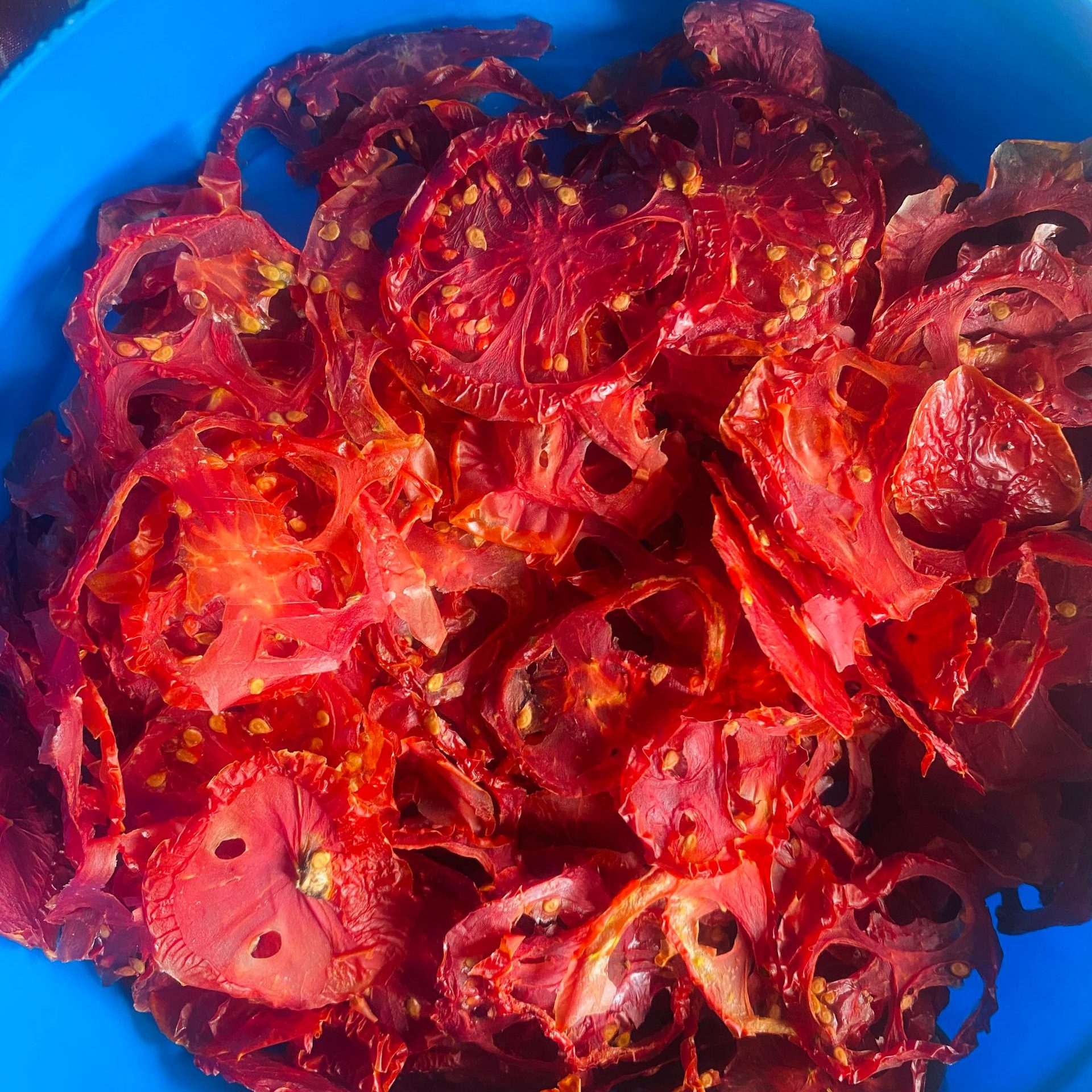
Solar drying systems for fruits, vegetables, and fish
-
Hermetic storage technologies (airtight bags and containers)
-
Improved granaries and warehouse management
-
Post-harvest handling training programs
-
Value-addition through processing
By reducing losses, farmers can increase income without expanding land use, contributing to sustainable agricultural development.
Development Impact
Reducing post-harvest losses aligns directly with:
-
SDG 2: Zero Hunger
-
SDG 12: Responsible Consumption and Production
-
African Union Agenda 2063
-
Malawi 2063 Vision
Duwa Enterprise collaborates with development partners, research institutions, and government agencies to scale these solutions and strengthen national food systems.